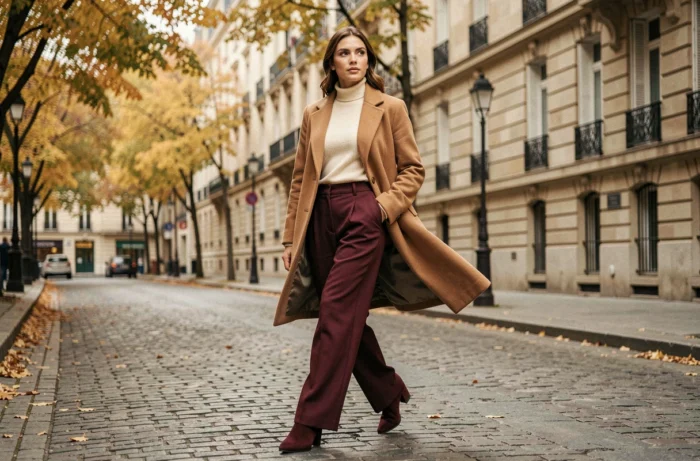
This season’s fashion trends revolve around a technical paradox: silhouettes gain structure while materials relax. Rigid denim paired with fine knits, smooth leather worn over fluid jersey. This play of textile contrasts defines the autumn-winter 2026 wardrobe far more than any standout color.
Weight and drape contrasts: the technical key to the autumn 2026 wardrobe
For several seasons now, we have observed a shift towards mixing materials with opposing weights within the same silhouette. The construction no longer relies on a homogeneous total look, but on the tension between a structured piece and a soft piece.
Smooth leather, thick denim, and suede form the trio of dominant materials this season. Their common point: a firm, almost sculptural hold that serves as the backbone of the look. In contrast, the pieces worn underneath or in layers play with lightness, featuring fine knits, jerseys, and satin fabrics.
This principle of construction by contrast changes the way an outfit is assembled. Rather than seeking chromatic harmony, we recommend reasoning by fabric weight: a heavy piece calls for a light piece, never two pieces of the same density layered together. This is what distinguishes a well-crafted look from a stack of layers, and it’s a reflex that we regularly find in Blognet News fashion articles dedicated to piece combinations.
Barrel jeans and architectural cuts: adopting volumes without losing the silhouette
The barrel jean establishes itself as the reference denim cut this season. Its uniqueness lies in a generous volume at the thigh that narrows below the knee, creating a rounded shape that breaks away from the straight lines of wide-leg or straight cuts.
The challenge of this cut lies in balancing proportions. An overly loose top negates the contrast effect and creates a shapeless silhouette. The barrel works with fitted or semi-fitted tops, tucked into the waist. A bodysuit, a fine ribbed sweater, or a tailored shirt maintain the structure of the bust while the pants create volume below.
Length and footwear: the detail that changes everything
The length of the barrel should stop just above the ankle for the narrowing to be visible. A hem that is too long flattens the cut and obscures the characteristic curve.
For shoes, open-toe flats and pointed ankle boots elongate the leg under the barrel. Chunky sneakers also work, provided the hem is slightly rolled up to expose the ankle. The barrel requires a visible ankle to maintain its line.
Autumn-winter 2026 color palette: sobriety and targeted accents
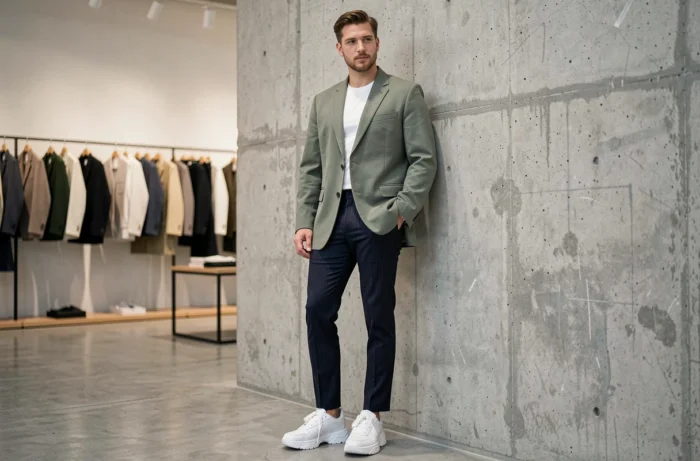
The dominant shades remain in a natural register: khaki, olive green, brown, gray. Burgundy is gaining strength as an accent color this season, particularly on premium military-inspired pieces.
Lavender and glacier blue, very present since spring, continue to feature on accessories and lightweight pieces (flowy dresses, bags, scarves). Their role is not to dominate the look but to provide a point of light in a dense autumn palette.
- Structured pieces (jackets, pants, coats): khaki, burgundy, brown, black. Colors that support heavy materials without visually weighing them down.
- Fluid pieces (tops, dresses, accessories): lavender, glacier blue, off-white. Light tones that create chromatic contrast with the lower part of the silhouette.
- Denim: medium washes leaning towards gray dominate, while bright blues are clearly receding in favor of more muted shades.
Pairing a dark structured piece with a light fluid accent remains the most reliable scheme for building a readable autumn look.
ESPR regulation and fashion: why unsold items change your wardrobe
Since July 19, 2026, the European regulation Ecodesign for Sustainable Products (ESPR) prohibits large fashion companies from destroying unsold clothing, shoes, and accessories. Brands must now resell, donate, repair, or recycle these items, and publish data on their destroyed stocks.
The impact on style is direct. Previous collections remain available longer in stores and online, through digital outlets, private sales, or dedicated corners. The stock accessible to consumers expands significantly.
Inter-season mix and archive pieces
This extended availability encourages a wardrobe built on inter-season mix and match rather than complete renewal. A premium military jacket from the previous collection worn with a barrel jean from the current season creates a more personal look than a total look from a single drop.
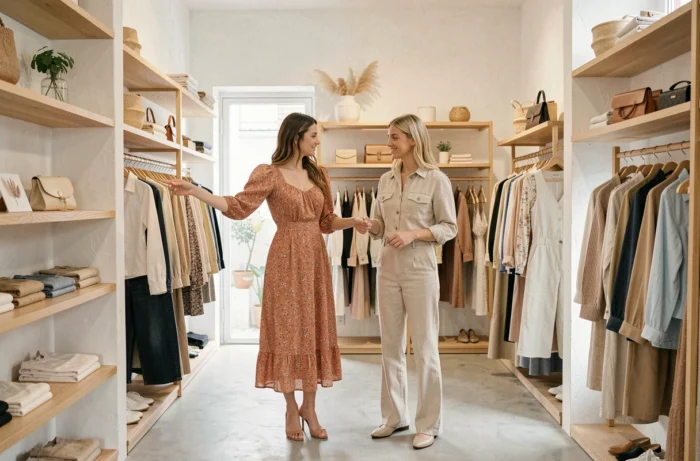
“Responsible” corners that display the origin of pieces (unsold items, production surplus, returns) are multiplying. We observe that these spaces attract customers looking for character pieces at reduced prices, not just an ethical approach. The fashion consequence is clear: stylish looks this season incorporate pieces from different timeframes, and the wardrobe gains depth.
This regulatory change also pushes brands to produce more durable pieces in their design, intended to last through several seasons without appearing dated. Revisited classic cuts, resilient materials, and timeless colors are mechanically taking precedence over ephemeral micro-trends. The style of this season is built as much from current racks as from the stocks expanded by this new European framework.