
Every year in France, tens of thousands of abandoned or mistreated animals are taken in by shelters and associations. Adopting a pet involves a commitment that often exceeds ten years, with direct implications for the budget, daily organization, and household balance. Before taking the plunge, several administrative, health, and practical checks deserve particular attention, well beyond a simple crush.
Online Adoption Scams: An Underestimated Risk
Adoption ads on the internet are multiplying, along with attempts at fraud. Fake ads for kittens or puppies to give away, requests for deposits via bank transfer before any meeting, photos taken from other sites: reports are regularly increasing on forums and with associations.
The most common scheme relies on urgency. A supposed owner or shelter asks for quick payment to “reserve” the animal, sometimes under the pretext of veterinary or transport fees. The animal does not exist, or is not the one shown in the photos.
To limit this risk, several reflexes are necessary before any financial commitment:
- Demand a physical meeting with the animal or, if not possible, a live video call showing the animal in its real environment.
- Verify the identity of the shelter or association (SIRET number, presence in official directories, verifiable reviews).
- Refuse any advance payment via bank transfer or cash mandate, and prefer payment on-site at the time of handing over the animal.
- Cross-check the photos in the ad with a reverse image search to detect reused visuals.
Specialized platforms that connect adopters with hosting structures help secure these processes, such as the one accessible at https://www.aniwal.fr/, which lists identified associations and shelters.
Commitment Certificate and Required Documents for Adoption
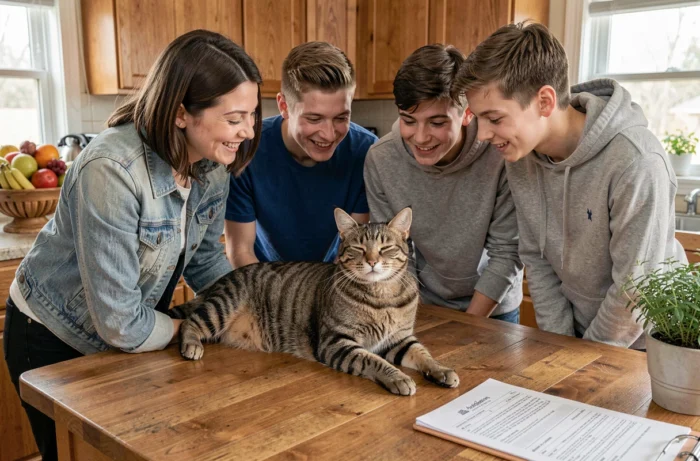
Since the law of November 30, 2021, aimed at combating animal mistreatment, anyone wishing to acquire a pet for the first time must sign a commitment and knowledge certificate. This document, provided by the transferor (shelter, breeder, or individual), imposes a seven-day reflection period before finalizing the adoption.
The certificate reminds of the physiological, behavioral, and medical needs of the species concerned, as well as the legal obligations of the future owner. It is not a trivial formality: without this signed certificate, the transfer of the animal is legally null.
In addition to this document, several items must accompany the animal at the time of transfer:
- The identification document (microchip or tattoo registered in the I-CAD file for dogs and cats).
- The health record or European passport, with up-to-date vaccinations.
- The veterinary certificate attesting to the animal’s health status at the time of transfer.
If any of these documents are missing, the Ministry of Agriculture recommends not finalizing the adoption. The absence of identification is, in fact, an offense punishable by a fine.
Shelter Adoption, Foster Family, or Transfer from Abroad: Very Different Situations
Competitors often treat adoption as a unique process. Field feedback diverges on this point: an animal from a municipal shelter, an associative foster family, or an international transfer does not arrive in the same emotional state or with the same history.
A dog or cat that has lived in a collective kennel for several months may exhibit anxiety or withdrawal behaviors that do not reflect its true temperament. Trust is built more slowly with a shelter animal, and the first weeks require particular patience.
In contrast, an animal placed in a foster family often benefits from more extensive socialization. The hosting structure can provide precise information about its behavior indoors, its reaction to children, or other animals.
Transfers from abroad raise additional questions. The journey itself (sometimes several days in a truck) generates considerable stress. Health protocols vary according to the country of origin, and certain diseases absent in France may require specific screening upon arrival. A veterinary appointment in the days following the arrival is recommended in all cases, but it becomes essential for an animal coming from abroad.
First Days After Adoption: A Critical Phase Often Rushed
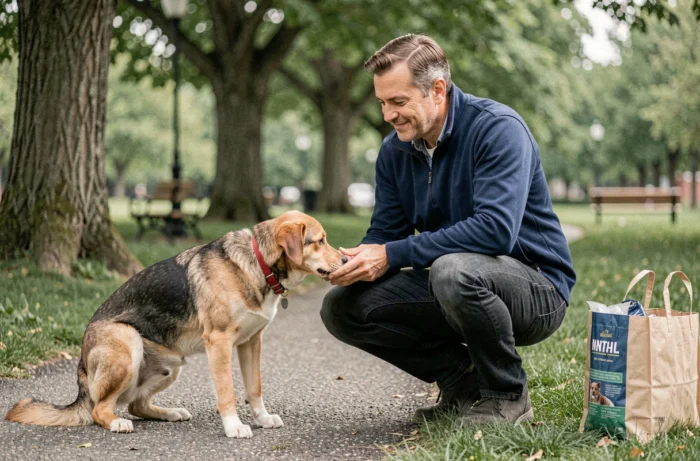
Adoption guides generally recommend “preparing the home.” The subject goes further. The first days condition the long-term relationship, and several common mistakes compromise the animal’s adaptation.
Limiting stimulation is the priority. A dog or cat discovering a new environment needs a restricted and calm space to orient itself. Opening all rooms on the first day, inviting acquaintances to meet the animal, or multiplying outings creates sensory overload.
Gradual introduction to solitude from the first week prevents the establishment of separation anxiety. Leaving the animal alone for a few minutes, then gradually increasing the duration, works better than constant presence followed by a sudden absence when returning to work.
For cats, a single room equipped with its litter box, a water point, and a high space is sufficient for the first days. Exploration of the rest of the home can then happen at its own pace, without forcing contact.
A rarely mentioned point: maintain the dietary habits of the original place for at least two weeks. A sudden change in food, combined with the stress of moving, frequently causes digestive issues. The dietary transition is then done through gradual mixing over about ten days.
Adopting a pet relies on a series of concrete decisions, well before and well after signing the commitment certificate. Verified documents, identified animal origins, and methodically managed first days significantly reduce the risk of abandonment or return to the shelter.