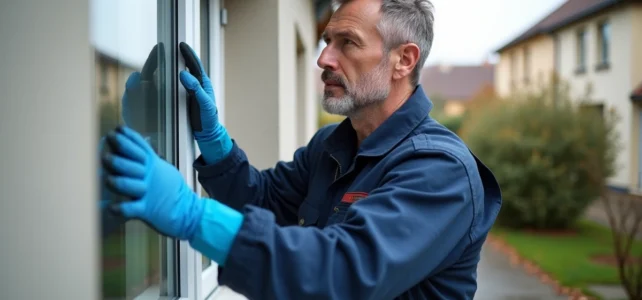
A landlord receives the new energy performance diagnosis (DPE) of their apartment: class F. Their current tenant is leaving in June 2026, and re-renting the property without renovations becomes a risky bet. Single-glazed windows are often the first area of heat loss identified in the audit. One might think that a law mandates double glazing for all homes by 2026, but the regulatory reality is more nuanced.
The legal framework does not impose any obligation to install double glazing as such. What it requires is a minimum energy performance measured by the DPE. In other words, it is a requirement for results (to achieve a sufficient class) rather than a means requirement (to install a specific type of glazing). To learn everything about mandatory double glazing in 2026, one must start from this fundamental principle.
DPE and rental ban: the real lever behind double glazing
Since January 2025, homes rated G in the energy performance diagnosis are banned from being rented out for new leases. The timeline continues: homes rated F will be affected by 2028, and those rated E by 2034.
For a landlord whose property has a DPE of F or G, the question is not “should we install double glazing?” but “what combination of works can at least bring it up to class E?”. Replacing single-glazed windows is among the most common measures in energy audits, though not the only one.
The owner remains free to choose the works as long as the targeted DPE result is achieved. Insulating the attic, changing the heating system, and installing efficient ventilation are all measures that can, whether combined or alone, suffice to meet the regulatory threshold without touching the windows.

Mandatory energy audit before sale: the cascading effect on joinery
Since 2025, the energy audit is mandatory for the sale of homes rated E (in addition to those rated F and G already affected). This document goes further than a simple DPE: it details a step-by-step work plan and quantifies the expected gains item by item.
In practice, it is observed that the audit almost systematically points out single-glazed windows as a major weak point in the thermal envelope. The future buyer sees in black and white the estimated heat loss through the joinery, which directly impacts the negotiation of the sale price.
For an owner-occupier who does not rent out, there is no ban on living in a G-rated home. The impact is financial: the depreciation upon resale of a thermal sieve increases as regulatory constraints tighten.
Double or triple glazing in renovation: concrete selection criteria
When replacing windows becomes necessary in the scope of works, the choice between double and triple glazing depends on very concrete parameters related to the existing structure.
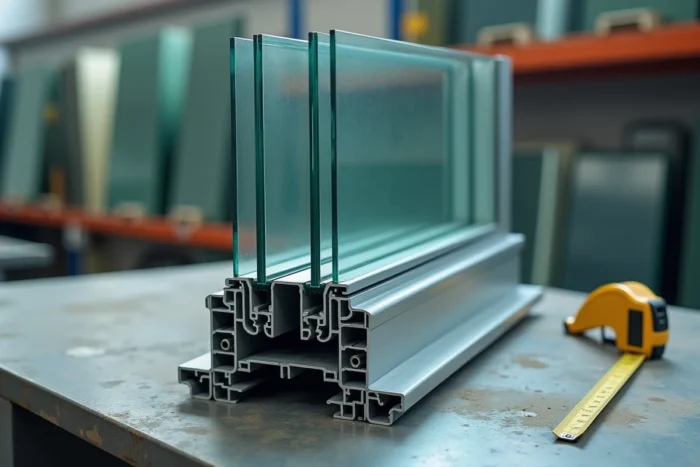
- The thickness of the existing frame: standard double glazing is between 20 and 24 mm (two 4 mm panes separated by 12 to 16 mm of air or argon gas). Triple glazing is thicker and heavier, which may require a complete change of the frame and masonry work on the old joinery.
- The orientation of the facades: on a well-exposed south-facing facade, triple glazing reduces free solar gains in winter. In this case, double glazing offers a better compromise between insulation and heat capture.
- Acoustic comfort: in noisy urban areas, asymmetric double glazing (panes of different thicknesses) can outperform standard triple glazing in attenuating low frequencies. Feedback on this point varies depending on the street configuration and the floor level.
Triple glazing makes the most sense on north-facing facades, in regions with harsh winters, or in new constructions designed to accommodate it from the outset.
Uw coefficient and eligibility for aid
For window replacement to be eligible for MaPrimeRénov’, the installed glazing must meet a thermal performance threshold measured by the Uw coefficient. The lower this coefficient, the better the insulation. Quality double glazing commonly achieves values compatible with the requirements of the scheme.
Triple glazing has an even lower Uw, but the additional cost for purchase and installation is not always offset by a proportional gain in the overall DPE of the home. It is recommended to have both options priced by the same RGE craftsman to compare the cost/DPE class gained ratio.
Financial aid for window replacement in 2026
Several schemes can be combined to reduce the out-of-pocket costs for energy renovation works affecting joinery.
- MaPrimeRénov’: accessible to owner-occupiers and landlords, with an amount that varies according to household income and the type of works. Replacing single-glazed windows with double glazing is among the eligible actions.
- Eco-PTZ (zero-interest eco-loan): an interest-free loan to finance a package of energy renovation works, capped at several thousand euros depending on the number of actions taken.
- Energy voucher: granted based on income conditions, it can be used to pay directly to an RGE craftsman working on the windows.
- Reduced VAT: applicable on the supply and installation of high-performance windows in homes over two years old.
Eligibility for these aids requires the use of a certified RGE craftsman (Recognized Guarantor of the Environment). A quote from a non-certified professional closes access to all public schemes, regardless of the amount of the works.
RE 2020 and new construction: a distinct framework
RE 2020, which already applies to new individual houses and collective housing, sets global performance requirements that are much higher than those of the old stock. As of May 1, 2026, its scope will extend to almost all new construction.
In this context, single glazing has had no place in new construction for several years. The required insulation levels naturally lead to high-performance double glazing, or even triple glazing depending on climatic zones and architectural choices.
For the renovation of the existing stock, RE 2020 does not apply directly. It is the requirements of the DPE and the conditions for accessing aids that constitute the operational framework on a daily basis for owners.
Double glazing is therefore not “mandatory” in the strict sense of a law that would impose its installation by a fixed date. It is the convergence of rental bans by DPE class, the energy audit for sales, and the conditions for aids that makes, in practice, the maintenance of single glazing increasingly difficult to defend, whether one is a landlord or an owner-occupier considering resale.